Corrosion Coatings for Steel Structures: Long-Term Protection Against Rust and Deterioration

Updated: Aug 3

Steel is one of the world's most versatile construction materials and serves as the backbone of marine structures, ports, bridges, industrial facilities, pipelines, retaining walls, and offshore developments. Despite its exceptional strength and durability, steel has one persistent enemy: corrosion.
When steel is exposed to moisture, oxygen, salts, chemicals, or industrial pollutants, corrosion begins to attack the surface. Left unchecked, this natural process can lead to structural deterioration, increased maintenance costs, reduced service life, and operational disruptions.
Corrosion Coatings: The First Line of Defense for Long-Term Steel Protection
Acting as a protective barrier between the steel and its surrounding environment, a properly designed and applied coating system helps prevent deterioration, extend asset life, and reduce long-term maintenance requirements.
From marine infrastructure and bridges to offshore facilities and industrial plants, corrosion protection coatings are among the most effective methods for preserving steel structures in harsh environments. By minimizing the effects of moisture, salts, and industrial contaminants, these coatings help improve durability, enhance reliability, and lower lifecycle costs.
Why do we need Steel Corrosion Protection Systems?
Corrosion is not simply a surface issue. Over time, it can lead to measurable steel loss that impacts structural performance and safety. In aggressive environments such as coastal and marine locations, corrosion rates can accelerate significantly due to constant exposure to saltwater, humidity, and airborne chlorides.
For infrastructure owners and asset managers, the consequences can include:
Increased maintenance and repair costs
Reduced structural lifespan
Operational downtime
Higher lifecycle costs
Premature replacement of steel assets
Investing in an effective coating system during the construction phase is often one of the most cost-effective methods of extending the service life of steel structures
How Corrosion Coatings Protect Steel?
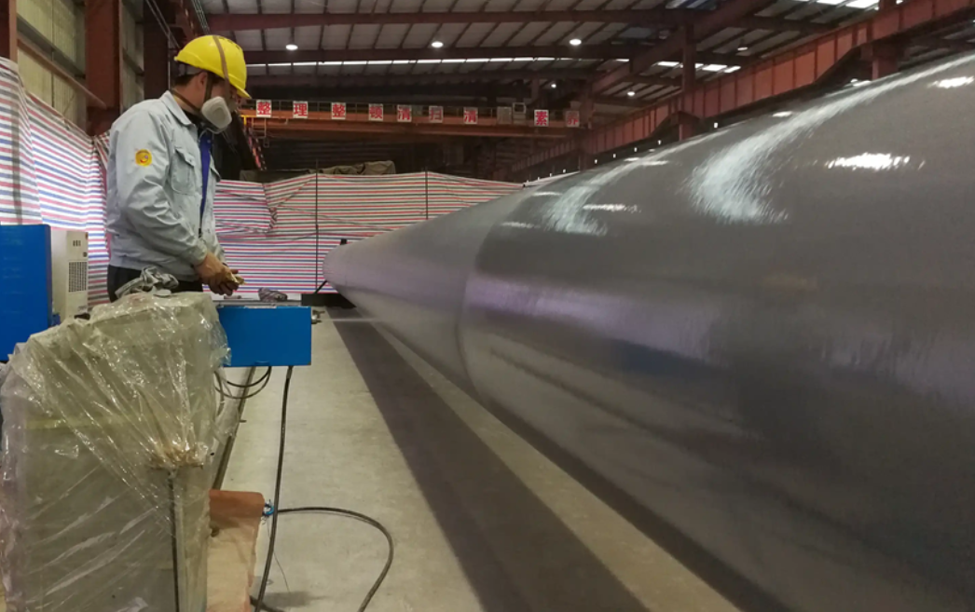
Protective coatings function by creating a physical barrier that separates steel from corrosive elements in the environment. This barrier prevents water, oxygen, salts, and chemicals from reaching the steel surface and initiating the corrosion process.
Modern coating systems are engineered to withstand a wide range of environmental conditions, from marine splash zones and industrial facilities to bridge structures and buried steel installations. The performance of a coating system depends on several factors, including surface preparation, coating selection, application quality, and environmental exposure conditions.
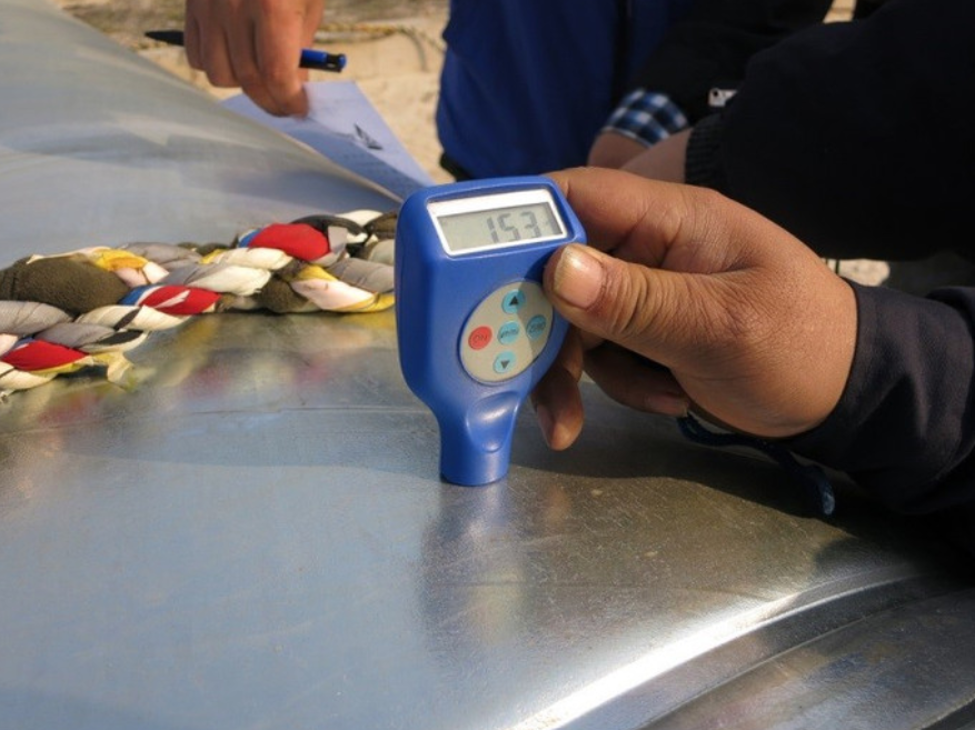
Even the most advanced coating can fail if these factors are not properly controlled, making quality assurance a critical aspect of any corrosion protection strategy.
Selecting the Right Coating System
Selecting the right corrosion coating system requires a thorough evaluation of the structure's operating environment and intended service life. International standards classify environments according to their corrosivity, ranging from low-risk indoor settings to highly aggressive marine and industrial locations. Understanding the corrosion category helps engineers determine the appropriate coating system, film thickness, and maintenance strategy needed to achieve long-term performance.
For marine infrastructure projects, exposure conditions can vary significantly across different areas of the structure. Steel located in marine immersion zones, where components remain continuously submerged, faces different challenges than steel positioned in splash and tidal zones that experience repeated wetting, drying, and salt deposition. These highly corrosive environments often require specialized coating systems capable of withstanding constant moisture exposure and elevated chloride concentrations.
Above the waterline, atmospheric exposure becomes a key consideration. Coastal environments typically accelerate corrosion through airborne salts and high humidity, while industrial areas may expose steel to chemicals, pollutants, and acidic contaminants. Even inland structures, though generally less aggressive, require coating systems tailored to local environmental conditions to ensure reliable long-term protection.
Mechanical wear must also be considered during coating selection. In areas exposed to impact, abrasion, or frequent material handling, coating systems need to provide both corrosion protection and sufficient abrasion resistance. Specialized solutions such as glass flake epoxy coatings are often specified for these demanding applications due to their enhanced durability and resistance to physical damage.

Equally important is aligning the coating specification with the project's design life requirements. A structure designed for 15 years of service may require a different approach than a port terminal, bridge, or offshore facility expected to operate for 50 years or more. By considering environmental exposure, maintenance accessibility, and lifecycle expectations, engineers can select coating systems that provide the optimal balance of protection, durability, and cost-effectiveness.
ESC works closely with leading coating manufacturers to develop coating specifications based on project requirements, environmental conditions, design life expectations, and client standards. This collaborative approach helps ensure that the selected system delivers the required level of corrosion protection while maximizing long-term value throughout the asset's lifecycle.
Common Corrosion Protection Coating
Coal Tar Epoxy Coatings
Coal tar epoxy coatings remain a proven solution for steel structures exposed to seawater, petroleum products, and various chemicals. Their combination of durability, water resistance, and cost-effectiveness has made them one of the most widely used protective coating systems for marine infrastructure projects.

Glass Flake Epoxy Coatings
Glass flake epoxy systems are particularly well suited for highly abrasive or impact-prone environments. The embedded glass flakes create a more tortuous path for moisture penetration, significantly improving coating performance and longevity. These systems are commonly selected for demanding marine and industrial applications where enhanced durability is required.
Hot-Dip Galvanizing
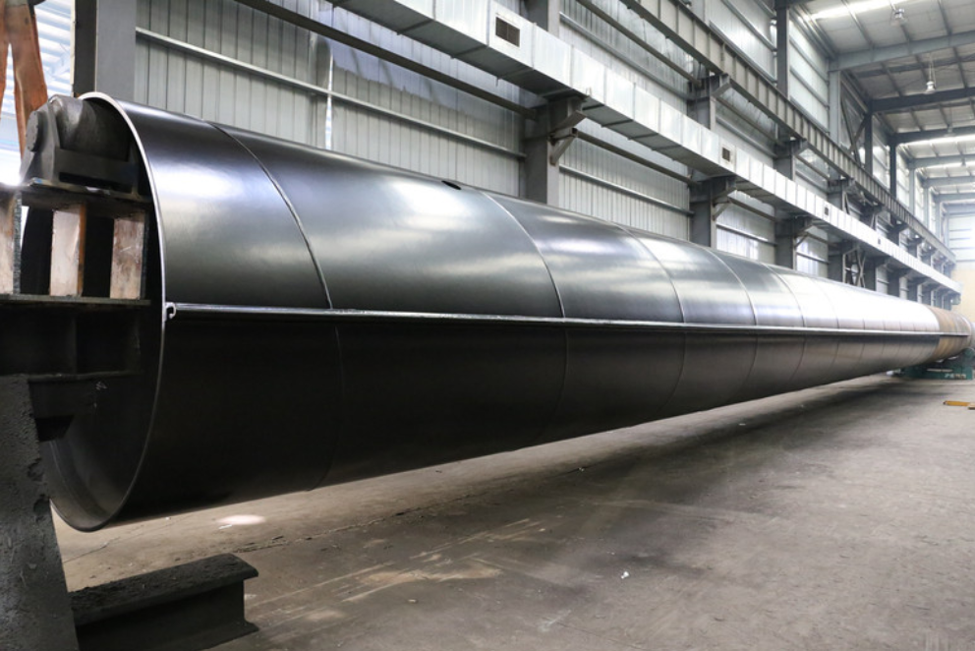
Hot-dip galvanizing protects steel by applying a metallurgically bonded zinc layer to the surface. This zinc coating provides both barrier protection and sacrificial protection, helping extend steel life in many outdoor and industrial environments. It is often selected where a durable, low-maintenance protective solution is required.
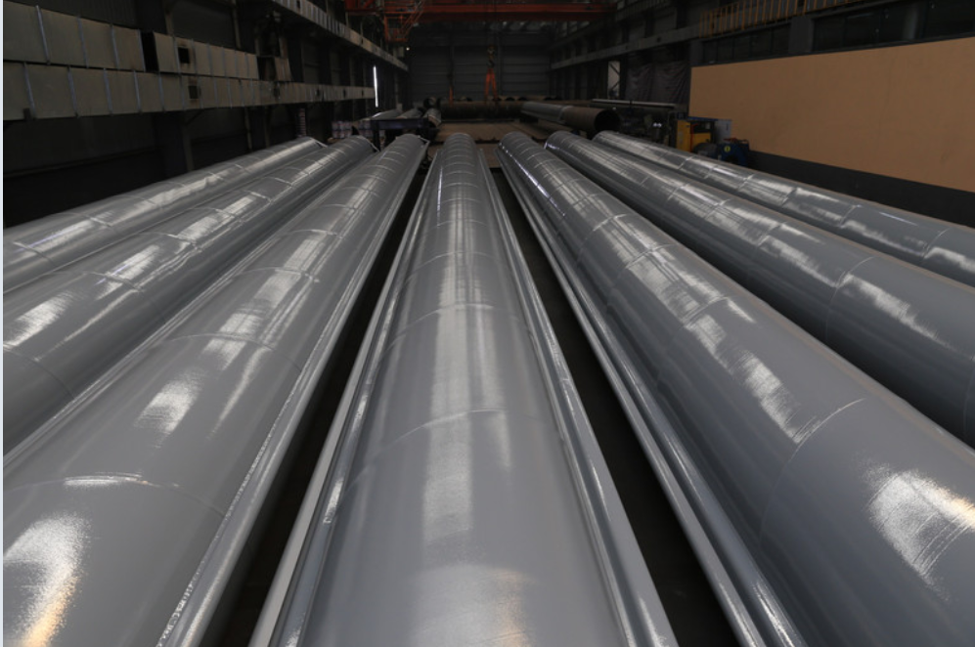
Duplex Coating Systems
For projects requiring maximum durability, duplex systems combine hot-dip galvanizing with an additional protective coating layer. This approach leverages the strengths of both protection methods to achieve extended service life, particularly in highly aggressive environments.

Surface Preparation: The Foundation of Every Successful Coating
One of the most overlooked aspects of corrosion protection is surface preparation.
Industry experience consistently shows that coating failures are more often caused by inadequate surface preparation than by coating selection itself. Before any coating is applied, steel surfaces must be thoroughly cleaned and prepared to remove contaminants, rust, mill scale, and other impurities.
Beyond Coatings: A Complete Corrosion Protection Strategy
While coatings provide the primary barrier against corrosion, certain marine and offshore structures benefit from additional protection systems. Coatings are frequently used alongside cathodic protection systems to form a comprehensive corrosion management strategy.
This layered approach is particularly effective for ports, wharves, jetties, sheet pile walls, pipe piles, and other steel structures operating in aggressive marine environments. By combining coatings with cathodic protection, infrastructure owners can achieve longer service life and lower maintenance costs over the lifespan of the asset.

Protect Your Steel Assets with ESC Corrosion Protection
Every steel structure faces corrosion challenges, but the right protection strategy can significantly extend its service life and reduce long-term maintenance costs. ESC Corrosion Protection delivers proven coating solutions tailored to the demands of marine, industrial, and civil infrastructure projects, including coal tar epoxy, glass flake epoxy, hot-dip galvanizing, and duplex coating systems.
Whether your project involves steel sheet piles, pipe piles, marine structures, bridges, industrial facilities, or offshore assets, ESC Corrosion Protection provides engineered corrosion coating solutions designed for long-term performance in demanding environments.
Contact ESC Corrosion Protection today to discuss your project requirements and discover how the right coating system can protect your investment for decades to come.